Travel Nurse Mode SVG: A Designer's Field Test
When I first pulled up the Travel Nurse Mode on SVG file on my workstation, my immediate reaction wasn't just about the cut lines; it was about the potential stitch path. As someone who spends half their life digitizing and the other half reviewing files for real-world application, I look past the screen preview. I want to know how this design behaves under the needle. This isn't just a graphic for a Cricut; for many of us, it is the blueprint for a machine embroidery design that will end up on a client's favorite hoodie or a boutique tote bag. The mood here is professional yet approachable, capturing the specific spirit of healthcare workers who are constantly on the move. It feels modern, which is crucial because outdated fonts and clipart styles can kill the perceived value of a handmade product instantly.
Visual Personality and Layout Dynamics
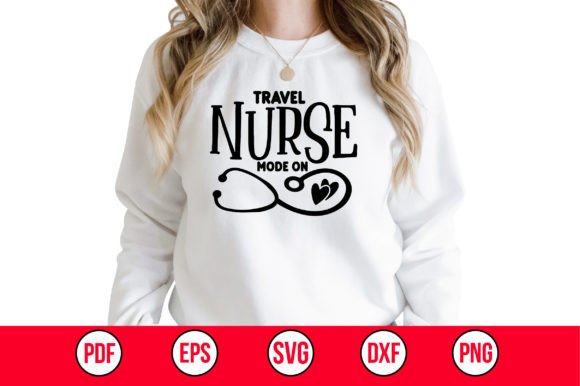
The layout of Travel Nurse Mode on SVG strikes a balance between bold statement and readable detail. In the world of Crafts and Graphics, we often see designs that are too busy for small hoops or too simple to justify a premium price point. This file, however, offers a clean silhouette that translates well. The "Word By Layer" structure mentioned in the file details is a massive win for anyone planning to adapt this for embroidery. If you are using software to convert this SVG into an embroidery file, having separated elements means you can assign different stitch types—like a satin stitch for the text and a fill stitch for any graphical icons—without fighting against grouped paths.
Visually, the design exudes confidence. It doesn't scream; it states a fact. This makes it incredibly versatile for custom apparel. Whether you are placing this on the chest of a scrub top or the back of a denim jacket, the visual weight feels appropriate. It avoids the trap of being overly cutesy, which broadens its appeal from just baby showers to professional gear for working nurses.
Real-World Application: The Weekend Market Scenario
Let's walk through a realistic scenario. Imagine you are preparing for a local craft fair or fulfilling a bulk order for a hospital gift shop. You decide to use Travel Nurse Mode on SVG to create a line of embroidered tote bags. These aren't just grocery bags; they are sturdy canvas carriers meant for nurses to haul extra shoes, lunch, and charts.
Because the design is vector-based (SVG) and includes a high-resolution 300 DPI PNG, you have flexibility. For the tote bags, you might choose to embroider the design directly. The clean lines of the SVG suggest that the resulting stitching would be crisp. If you were to place this on a textured canvas, the simplicity of the design ensures it won't get lost in the fabric weave. Alternatively, if you are making sweatshirt embroidery for a nursing cohort reunion, the design scales well. It holds its integrity when enlarged for a back print but remains legible when scaled down for a sleeve or pocket logo.
Consider the customer reaction. A nurse buying this personalized gift wants to feel seen. They don't want a generic "Nurse" label; they want something that speaks to their specific lifestyle of traveling and adapting. This design hits that niche. When a customer sees the finished product, the clarity of the lines builds trust in your brand. It signals that you didn't just grab a low-res image from Google; you invested in quality design assets.
Navigating Fabric Challenges and Stitch Density
While the digital file looks perfect, the transition to thread requires caution. One of the critical factors when using a design like Travel Nurse Mode on SVG for embroidery is managing stitch density. Since this is originally a cut file, if you are digitizing it yourself or sending it to a digitizer, you must ensure the text isn't too thin. Tiny lettering can easily become a mess of thread breaks if the columns are too narrow for a satin stitch.
You also need to be mindful of the substrate. If you are applying this to stretchy fabrics like performance scrubs or soft tri-blend t-shirts, the stability of the design is paramount. A dense fill area might cause the fabric to pucker if you don't use the right stabilizer. For a project like a baby embroidery item, where softness is key, you might opt for a lighter fill or even an applique approach, using the SVG layers to cut a fabric patch and then stitching around it. This reduces the amount of thread on the skin while keeping the visual impact.
Dark fabrics present another consideration. The preview provided is likely on a white background. Before committing to a full production run of black polo shirts, test your thread colors. You may need a white underlay to prevent the dark fabric from showing through the stitches, which can muddy the colors and ruin the crisp look of the finished product.
Commercial Viability and Brand Consistency
For Etsy sellers and small shop owners, consistency is currency. Using a high-quality source file like Travel Nurse Mode on SVG helps maintain a professional aesthetic across your inventory. Whether you are selling physical goods or digital mockups, the clean geometry of this design allows for versatile branding. It works equally well on a printable mockup for a digital listing as it does on a physical embroidered patch.
However, a word of caution regarding licensing: The product description states "File Ready To Use" and mentions commercial support for Cricut, but it does not explicitly detail the terms for selling embroidered physical goods versus redistributing the digital file. Always verify the license before selling. Assuming commercial use is permitted for physical items, this design is a strong candidate for commercial embroidery projects. Its timeless feel means it won't look dated next year, protecting your inventory investment.
Practical Notes for the Studio
Before you hoop your first garment, keep these practical steps in mind to ensure the best results with Travel Nurse Mode on SVG:
- Test on Scraps: Never skip the stitch-out test. Use the same fabric and stabilizer combination you plan to use for the final item to check for puckering or registration issues.
- Check Contrast: Review how the design looks in black and white. If the details vanish in grayscale, the contrast might be too low for certain thread color combinations.
- Hoop Size Verification: Ensure the design fits your available hoop sizes, especially if you are working with smaller items like caps or infant onesies.
- Digitizing Check: If converting from SVG to embroidery format, pay close attention to corner sharpness. Auto-digitizing software often rounds off sharp corners; manual tweaking may be required to keep the "Mode" text sharp.
- Fabric Texture: Be wary of highly textured towels or loops. The fine details of the SVG might get swallowed by the fabric pile.
In conclusion, Travel Nurse Mode on SVG is more than just a download; it is a versatile foundation for a variety of creative projects. From holiday embroidery gifts to daily wear for healthcare heroes, its clean lines and layered structure offer excellent potential for those willing to put in the preparation work. It respects the intelligence of the maker and the dignity of the wearer, making it a solid addition to any designer's library.