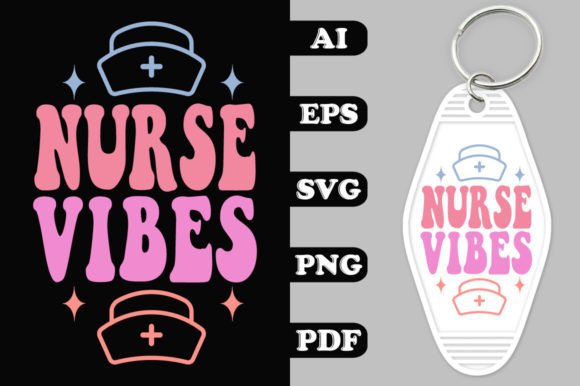
Nurse Vibes Groovy Key Chain SVG: A Designer's Review
As someone who spends more time staring at stitch maps than most people spend looking at their phones, I approach every new digital embroidery file with a mix of excitement and skepticism. We have all been there: you download a cute graphic, load it into your software, and realize the density is a nightmare or the details are too fine for anything but a poster. That is why I took a close look at the Nurse Vibes Groovy Key Chain SVG before committing it to a real embroidery project. This isn't just about whether it looks good on a screen; it is about how it performs when the needle hits the fabric.
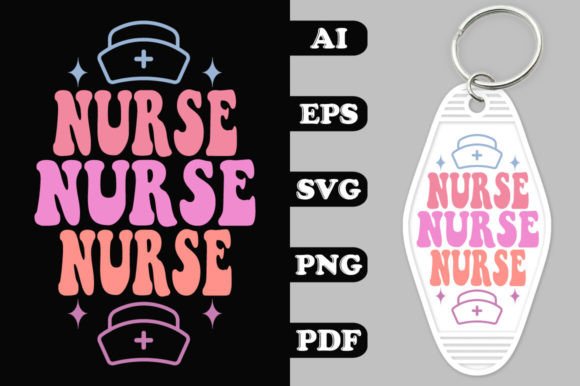
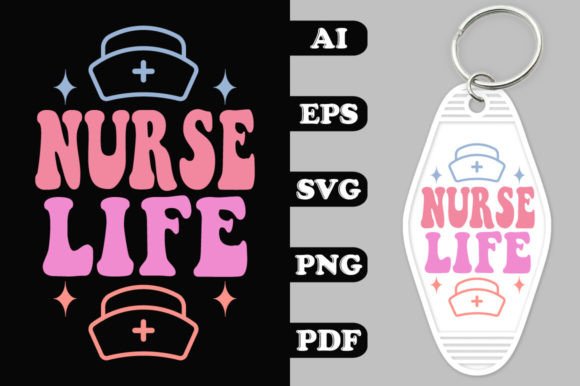
The first thing that strikes me about this design is its mood. It captures that specific retro, 70s-inspired aesthetic that is currently dominating the craft business landscape. The "groovy" vibe isn't just a buzzword here; the layout suggests bubbly, rounded lettering and playful shapes that translate well into thread. For an Etsy seller or a boutique owner, this visual personality is gold. It speaks directly to a demographic that values nostalgia, humor, and personalized expression. However, from a technical standpoint, the transition from a vector graphic to a stitched finished product requires careful planning.
Real-World Application: The Tote Bag Test
To truly evaluate this asset, I imagined a specific scenario: creating a line of custom tote bags for a local nursing graduation party. This is a classic use case for custom apparel and accessories where durability and visual impact matter. The Nurse Vibes Groovy Key Chain SVG fits perfectly here because the theme is targeted yet broad enough to appeal to various age groups within the medical field.
When visualizing this on a canvas tote, the design's shape becomes crucial. Unlike a square block of text, this graphic likely has an organic flow. In a real stitching situation, this means you need to pay attention to the direction of your satin stitch columns if the design utilizes them. If the original file is intended for sublimation (as "Keychain Sublimation SVG" suggests), you will need to digitize it carefully for embroidery. You cannot simply auto-digitize a complex retro font and expect clean results. The curves need smooth underlay, and the corners need tie-offs to prevent fraying after frequent washing.
If you are using this as a reference to create an embroidered patch, the potential is even higher. Patches allow for higher stitch density and more vibrant thread colors without worrying about the stretch of the base garment. A groovy nurse design on a twill patch, sewn onto a denim jacket or a scrub cap, creates a high-value handmade product that customers love. The retro hotel keychain aesthetic implies a certain chunkiness that works beautifully in thick threads, giving the design a tactile quality that flat printing cannot achieve.
Technical Considerations for Stitching
Before you start stitching, there are several technical hurdles to clear. Since this is categorized under Graphics and often used for sublimation, verify the file format. If you are receiving an SVG, ensure your embroidery software can interpret the paths correctly for stitch generation. If you are digitizing it yourself, focus on the stitch density. Retro fonts often have thick strokes; if you fill these with too many stitches, the fabric will pucker, especially on stretchy materials like t-shirts or sweatshirts.
For sweatshirt embroidery, the texture of the fleece can swallow small details. The "Nurse Vibes" text needs to be large enough to remain legible. I recommend testing the design on scrap fabric that matches your final product. Check how the running stitch outlines hold up against the nap of the fleece. If the design includes tiny decorative elements, consider simplifying them or switching to a fill stitch with a longer pull to prevent breakage.
Fabric choice is another critical factor. On dark fabrics, you will need a robust underlay to prevent the background color from showing through the lighter threads of the groovy design. Conversely, on thin fabrics like a kitchen towel or a baby onesie, you must use the right stabilizer. A cut-away stabilizer is usually best for items that will undergo frequent washing, ensuring the embroidery file doesn't distort over time. For caps, which have a curved surface, the center of the design must be balanced so it doesn't pull to one side during stitching.
Maximizing Commercial Value
For small shop product creators, the appeal of this design lies in its versatility. It works for holiday embroidery gifts, teacher appreciation weeks, or just everyday morale boosters for hospital staff. The key to maximizing its value is presentation. When listing this on your online store, use high-quality printable mockup images that show the texture of the thread. Buyers need to see that this is a premium stitched item, not a cheap print.
However, you must be vigilant about licensing. Just because a file is available for purchase does not automatically grant commercial rights for physical goods or digital resale. Always confirm the license terms before selling design assets or finished items made from them. If the creator specifies it is for personal use only, respect that boundary to maintain your professional reputation and customer trust.
Visual appeal drives sales, but stitching clarity drives returns. A design that looks great in a thumbnail but turns into a bird's nest on the hoop will hurt your brand consistency. Inspect small details like the spacing between letters in "Vibes." If they are too close, the threads might merge. If they are too far apart, the word might lose its cohesion. Testing in both black and white mockups can help you judge the contrast and readability before you commit to a full production run.
Final Verdict for Makers
The Nurse Vibes Groovy Key Chain SVG is a strong contender for anyone looking to add some personality to their Crafts inventory. Its strength lies in its trendy aesthetic and emotional connection to the nursing community. However, its success depends entirely on execution. Do not treat it as a plug-and-play solution without understanding the material constraints.
- Test the design on scrap fabric first to check tension and density.
- Review thread color contrast to ensure the retro vibe pops against your chosen background.
- Confirm hoop size compatibility, especially if you plan to do multiple items in one go.
- Inspect small details for potential bridging issues in the lettering.
- Ensure you have the correct license for commercial embroidery projects.
In the world of handmade goods, the difference between a good product and a great one is often in the details. By approaching this design with a critical eye and a practical mindset, you can turn a simple graphic into a cherished personalized gift or a best-selling small business merchandise item. Whether you are making a single baby embroidery piece for a friend or a hundred patches for a conference, let the quality of your stitching be the thing that truly gives off those good vibes.