Nurse Case Manager Leopard Sublimation Review
As a designer who spends more time at the hoop than away from it, I approach every new graphic with a critical eye. It is not enough for an image to look good on a screen; it must translate beautifully into thread, ink, or vinyl. Today, I am evaluating the Nurse Case Manager Leopard Sublimation design. While this file is technically categorized under Crafts and Graphics as a digital asset for sublimation, my focus is on how we, as embroidery professionals and small business owners, can adapt this visual style for tangible, stitched products.
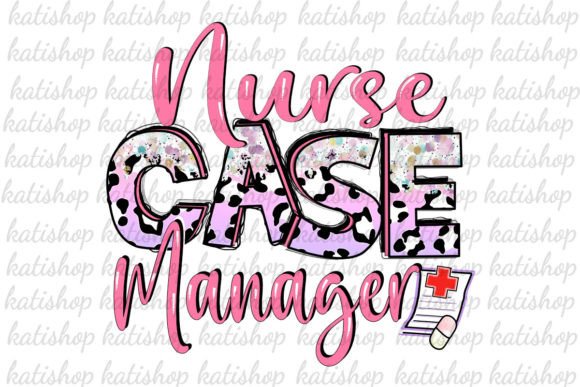
The first impression of this design is one of bold confidence. The combination of the professional "Nurse Case Manager" title with the fierce, fashionable leopard print creates a specific mood. It speaks to the modern healthcare worker who balances clinical precision with personal flair. Visually, the layout feels balanced, with the typography likely serving as the anchor while the animal print provides texture and movement. For an embroidery project, this duality presents both exciting opportunities and specific technical challenges that require careful planning before the needle ever hits the fabric.
Translating Digital Graphics into Stitched Reality
When I look at a PNG file intended for sublimation, I immediately start mentally converting it into a machine embroidery design. The Nurse Case Manager Leopard Sublimation graphic relies heavily on the organic, random nature of leopard spots. In a sublimated mug or t-shirt, these spots are gradients of color. In embroidery, we must replicate this using fill stitch patterns, satin stitch borders, or perhaps even applique design techniques.
Imagine preparing a custom order for a local clinic's appreciation week. A client wants a high-end tote bag design for their case management team. Using this graphic as inspiration, you could digitize the leopard elements using varying shades of brown, tan, and black thread to create depth. The text would need to be clean and legible, likely requiring a dense satin stitch to ensure the "Nurse Case Manager" title stands out against the busy background. This transformation from a flat digital embroidery file concept to a textured handmade product is where the real value lies for an Etsy seller or boutique owner.
The visual personality of this design fits perfectly into the current trend of "medical chic." It moves away from the sterile, plain whites and blues traditionally associated with nursing gear. Instead, it offers a personalized gift option that feels trendy and empowering. Whether applied to a sweatshirt embroidery project for cool clinic days or a structured cap, the aesthetic suggests a professional who is approachable yet authoritative.
Real-World Application Scenarios
Let's consider a specific real-life scenario. You have a request for a holiday embroidery gift for a nurse who has just been promoted to Case Manager. A standard scrub top might be too restrictive for detailed stitching, so you decide on a high-quality canvas apron or a zip-up hoodie. The Nurse Case Manager Leopard Sublimation motif serves as the perfect centerpiece.
For a sweatshirt embroidery application, the soft texture of fleece complements the organic shapes of the leopard print. However, you must be mindful of stitch density. If you attempt to fill large areas with dense stitching on a stretchy garment, you risk puckering. A smarter approach might be to use the graphic as a guide for an embroidered patch. You could stitch the design onto a stable twill backing, cut it out, and then appliqué it onto the garment. This method preserves the integrity of the finished product and ensures the design remains crisp after multiple washes.
Another excellent use case is in commercial embroidery for small shop merchandise. If you run a store catering to medical professionals, having a line of products featuring this specific theme can set you apart. The design works well on pillow covers for a nurse's break room or home, adding a touch of personality to their space. It also translates well to baby embroidery if scaled down appropriately for a onesie, celebrating the next generation of caregivers, though the color palette would need adjustment to suit infant aesthetics.
Technical Considerations and Fabric Choices
While the artistic potential is high, practical execution requires vigilance. The original file is a PNG meant for sublimation, which means it does not come with pre-defined stitch paths. If you are digitizing this yourself or hiring a digitizer, you must pay close attention to thread colors. Leopard print can easily look muddy if the contrast between the spots and the background is insufficient. Testing the design in black and white mockups before stitching is a crucial step to ensure the shapes remain distinct.
Fabric selection is equally critical. On dark fabrics, the lighter tones of the leopard print will pop, but you may need to use a underlay stitch to prevent the fabric color from bleeding through. Conversely, on light fabrics, the definition of the spots relies entirely on the thread shade. Textured fabrics like pique polo shirts or waffle knits can interfere with fine details, so this design is best suited for smooth, tightly woven materials like cotton twill, canvas, or high-quality polyester blends often used in custom apparel.
Be cautious with hoop size limitations. If the design includes intricate lettering alongside the detailed print, ensure your hoop is large enough to capture the entire composition without breaking it into awkward sections. Curved surfaces, such as caps, present another challenge. The distortion on a curved brim can warp the leopard spots, making them look unnatural. For hats, simplifying the design or focusing solely on the text with a subtle accent might yield a more professional result than attempting the full graphic.
Maximizing Value for Your Craft Business
Incorporating trends like the Nurse Case Manager Leopard Sublimation into your portfolio can significantly boost buyer engagement. Customers are drawn to items that reflect their identity. A nurse seeing this design recognizes it immediately as something made specifically for her role, not a generic "I love my job" shirt. This specificity builds customer trust and enhances your brand's reputation for understanding your niche market.
However, always verify the licensing terms. Since the source file is described as a PNG for sublimation, using it as a basis for embroidery usually falls under creating a new derivative work, but you must confirm if the original creator allows commercial use of the adapted design. Never assume a sublimation file grants automatic rights for design assets in other mediums. Clear communication and proper licensing protect your craft business from legal issues.
Before finalizing any embroidery project, always test on scrap fabric. Check how the stabilizer interacts with the material; a heavy cut-away stabilizer is often necessary for designs with significant fill areas to prevent sagging over time. Inspect small details closely—tiny gaps in the leopard spots can turn into thread nests if the tension is not perfect.
Ultimately, the Nurse Case Manager Leopard Sublimation graphic is a versatile springboard for creativity. It bridges the gap between digital convenience and the tactile quality of handmade goods. By thoughtfully adapting its visual elements into stitch, respecting the limitations of fabric and thread, and maintaining high standards of presentation, you can create small shop products that resonate deeply with your customers. Whether for a wedding gift to a retiring nurse or a batch of uniforms for a new clinic, this design offers a stylish, professional, and personalized solution that stands out in a crowded marketplace.